About Us
The Anthropocene Sediment Network (ASN) was founded in 2020 to provide a home for practical, multidisciplinary work on sediment in a human-shaped world, operating through an open, community-led model for collaboration. In considering sediment to be anything that can move on Earth, we seek to improve its collective understanding by strengthening a sense of community and communication within and between fields.
The ASN hosts and facilitates events, short-form media, open calls, and the Sedimentarium, which is a space for our members to share resources. We bring together researchers, artists, practitioners, and students to develop methods, partnerships, and a working toolkit for Anthropocene sedimentology.
The ASN Team
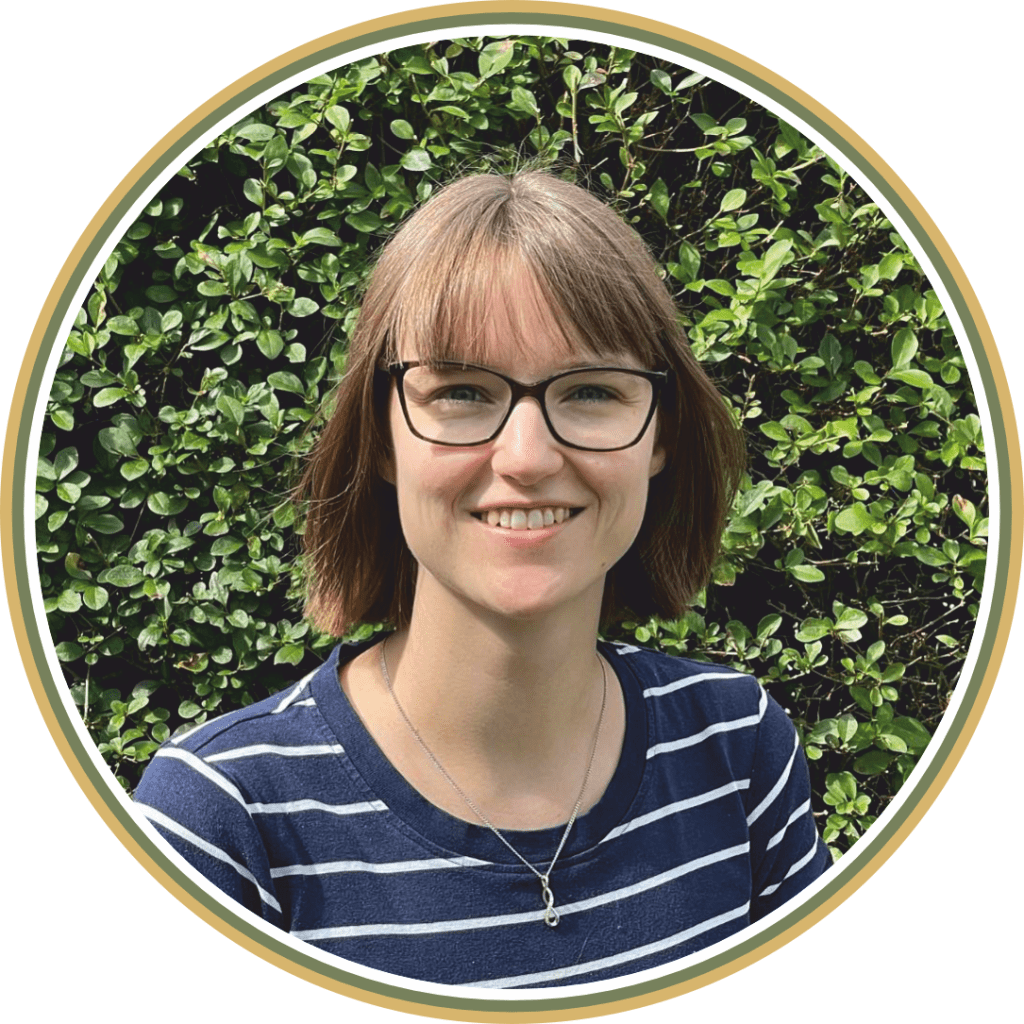
Dr Catherine Russell
Loughborough University
c.russell@lboro.ac.uk
Founder & Leader of the
Anthropocene Sediment Network
More about Catherine
Dr Catherine Russell researches and teaches on the impacts of human activities on Earth’s surface processes, with a specialization in river systems. She is dedicated to establishing Anthropocene Sedimentology as an interdisciplinary field, and taught the first courses on it at the University of Vienna in 2024 and 2025. She completed a Fulbright-Lloyd’s of London Visiting Scholarship in Louisiana from 2022-2023, and was awarded the Roland Goldring Award in 2023 by the British Sedimentary Research Group for making a noteworthy contribution to sedimentology.

Prantika Bhowmick
Presidency University, Kolkata
Anthropocene Sediment Network Team Member
More about Prantika
I am a budding geographer with a strong interest in river sciences and sediment dynamics, and a curiosity about how landscapes evolve through the interaction of natural processes and human activity. I completed my B.Sc in Geography from Lady Brabourne College in August 2023, followed by an M.Sc in Geography from Presidency University, Kolkata in June 2025. My academic journey has largely been shaped by a fascination with rivers as living systems that transform landscapes, transport sediments and sustain societies over time. Besides, geography appealed to me for its unique ability to bridge natural processes with human concerns, offering insights that are essential for understanding environmental change in today’s world. Intrigued by such ideas, I aspire to pursue research in this field and, in the long term, a career in academia where such interdisciplinary conversations can continue and grow. I strongly believe that research should not exist in isolation, but rather contribute meaningfully to addressing contemporary issues and creating knowledge for a better understanding of our planet and a better future for its inhabitants.
Alongside research, I value community-building and knowledge sharing. I enjoy engaging with people across disciplines and places and learning from them through dialogue and collaboration. It is through this sense of camaraderie, I hope to learn, collaborate and contribute to a shared understanding of fluvial and earth surface processes in this rapidly changing world.
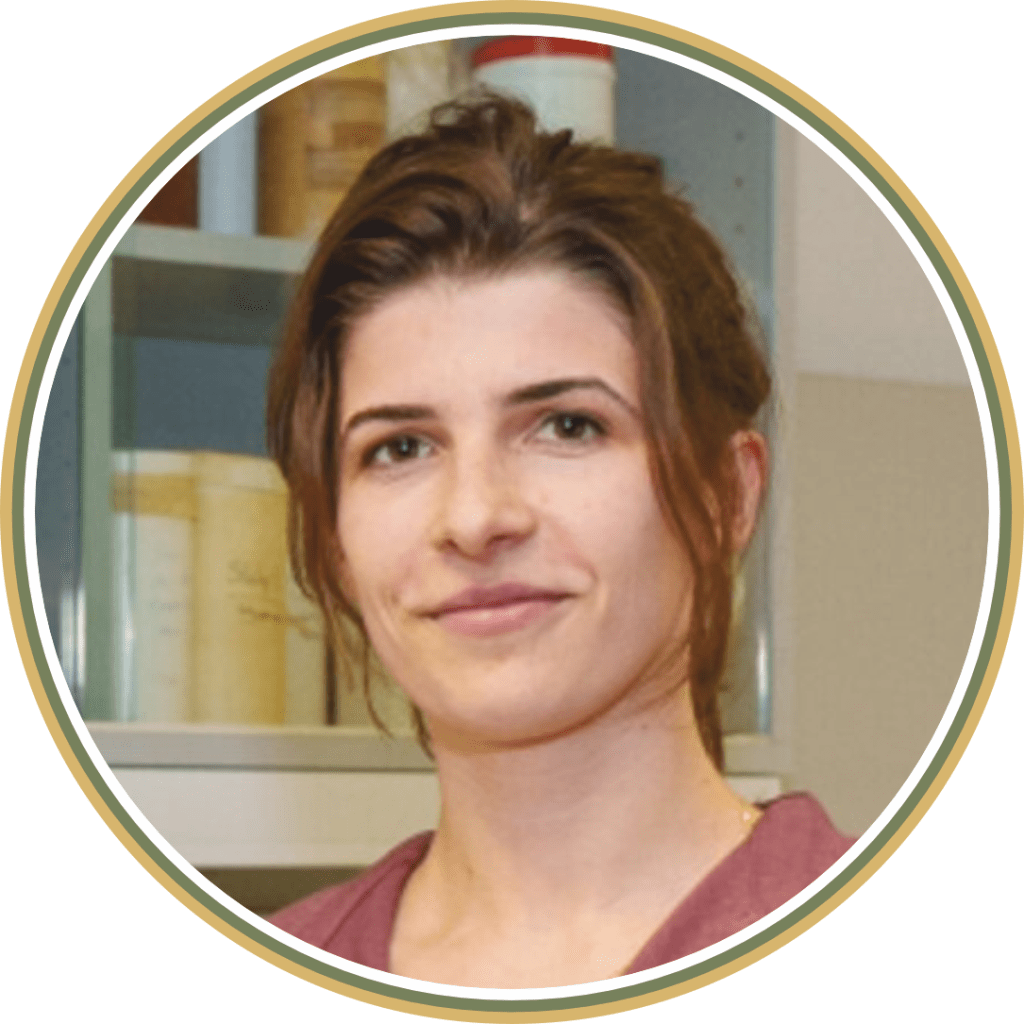
Diana Hatzenbühler
GeoSphere Austria
Anthropocene Sediment Network Team Member
More about Diana
I’m a sedimentologist currently working at GeoSphere Austria, where I contribute to the development of a comprehensive geological legend for Austria. Alongside this work, I am completing my PhD in geology (University of Vienna), focusing on the interplay between fluvial dynamics and human impact. I my research I investigate how more than 150 years of human intervention have affected the Danube River in Austria, and how they have fundamentally altered the river’s sediment balance and its behaviour during flood events. To do this, I look at the signals hidden within flood sediment: from atomic traces left behind by post-WWII atmospheric nuclear weapon testing to large-scale evidence of modern life like pots and entire trash bins.
Besides having a peculiar affinity for sand of all kinds, I am deeply passionate about science communication. I enjoy exchanging ideas and views across disciplines and making accessible to audiences of all kind.
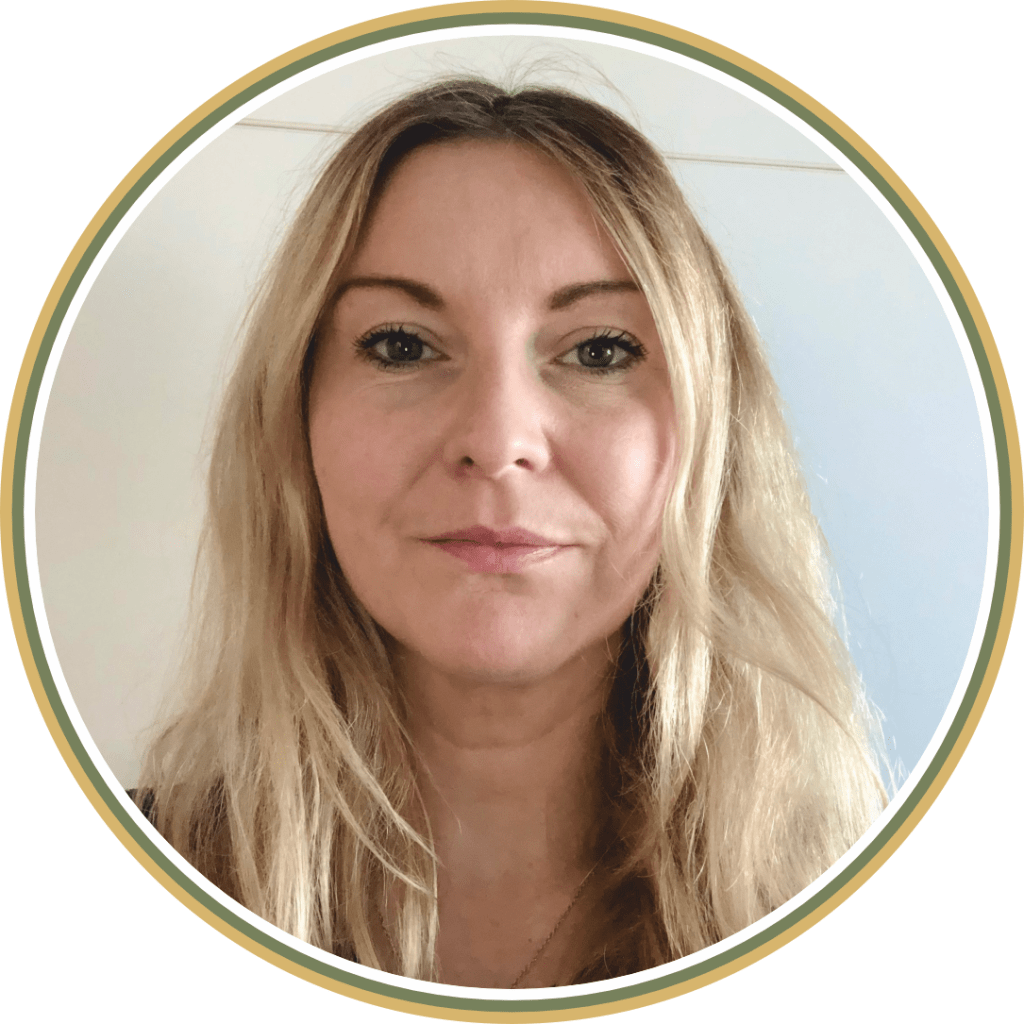
Dr Julie Hope
University of St Andrews
Anthropocene Sediment Network Team Member
More about Julie
Dr. Julie Hope is Lecturer in Marine Biology at the Scottish Oceans Institute, University of St Andrews. After earning her PhD at the University of St Andrews, she held postdoctoral and research fellow roles across hydraulics and benthic ecology groups in Stuttgart, Auckland, and Hull.
Her interdisciplinary research explores how coastal sediments and benthic biota exchange materials, including sediment particles, plastics, nutrients, gases and energy with their surroundings. She investigates the physical, chemical, and biological drivers that regulate these fluxes and examines how global change (warming, heatwaves, pollution) reshape them. The dynamics she studies have critical implications for coastal ecosystem functions such as sediment and pollutant stability and transport, carbon cycling and storage, and the resilience of coastal ecosystems.
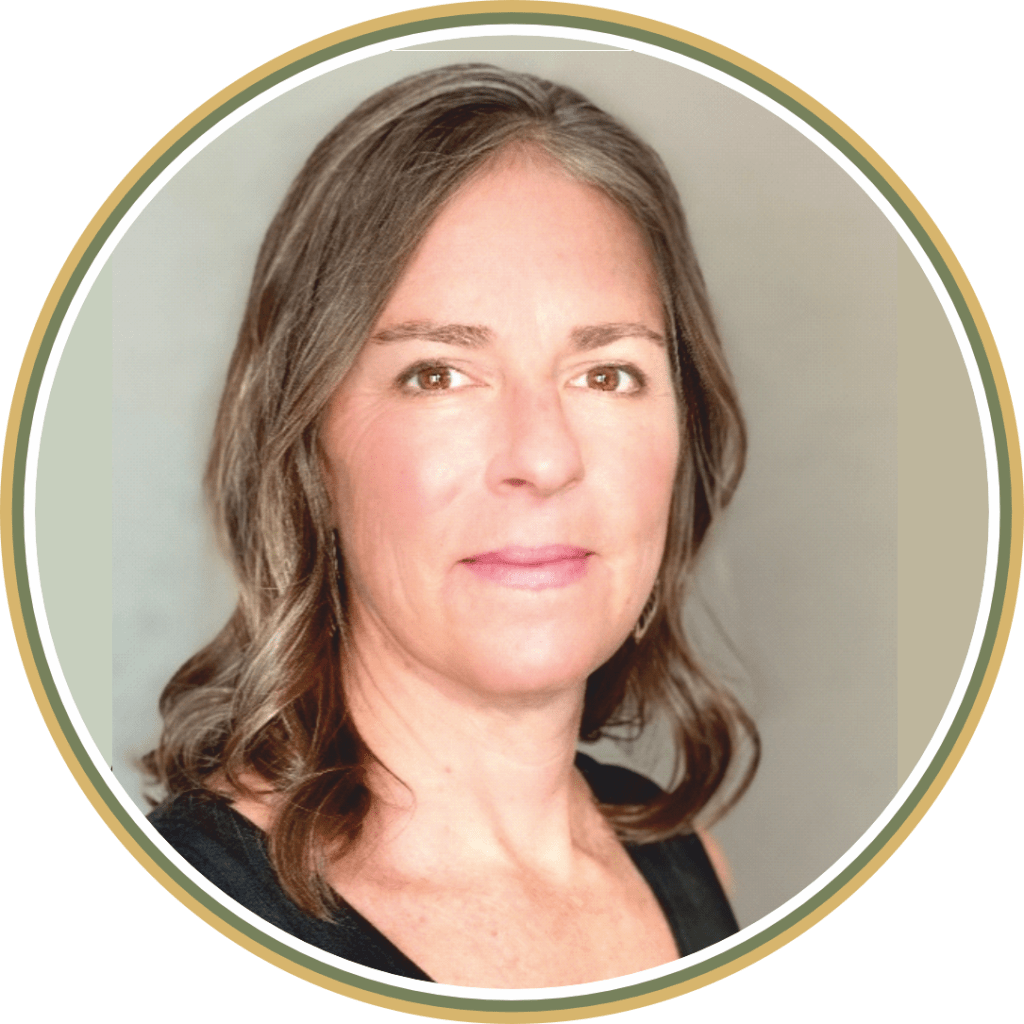
Prof. Cari Johnson
University of Utah
Anthropocene Sediment Network Team Member
More about Cari
Dr. Cari Johnson is a Professor of Geology and Geophysics at the University of Utah in Salt Lake City, USA. She earned a B.A. in Geology at Carleton College in 1996, and Ph.D. in Geological and Environmental Sciences at Stanford University in 2002. She also held a Post-Doctoral Research Associate position with the U.S. Geological Survey Energy Assessment Group prior to joining the University of Utah faculty in 2003. Dr. Johnson’s research is broadly based in sedimentary basin analysis, including contributions to understanding the tectonic evolution of Asia, global perspectives on basin and energy systems modeling, and subsurface reservoir characterization and prediction. More recent work has centered on anthropogenic sedimentary systems such as Lake Powell reservoir sediment and deltas, as well as energy transitions including carbon management and sedimentary geothermal resources. Dr. Johnson also enjoys flying small airplanes as a private pilot, playing tennis, and is the proud mother to two teenage girls and one Portuguese water dog.

Dr Eun Young Lee
University of Vienna
Anthropocene Sediment Network Team Member
More about Eun
I am a geologist with a strong interest in Earth system evolution, investigated through sedimentary records and quantitative geoscience approaches. I am currently a research fellow at the Department of Geology, University of Vienna, where I earned my PhD in 2015. My research spans multiple regions worldwide and focuses on integrated sedimentary analysis using interdisciplinary datasets to reconstruct geological evolution across diverse settings. My long-term goal is to develop an integrated Earth history framework that better understand complex Earth system processes, support sustainable subsurface management, and assess human-driven transformations. In Anthropocene research, I am particularly interested in multidisciplinary and quantitative analyses of sediments and anthropogenic materials spanning the Great Acceleration to the present. This work integrates geological records with anthropogenic activities, natural system alterations, and socioeconomic history. My primary study area is the Yellow Sea, bordered by China and the Korean Peninsula, where sedimentary archives record pronounced environmental and geological changes linked to the socioeconomic evolution of Northeast Asia.
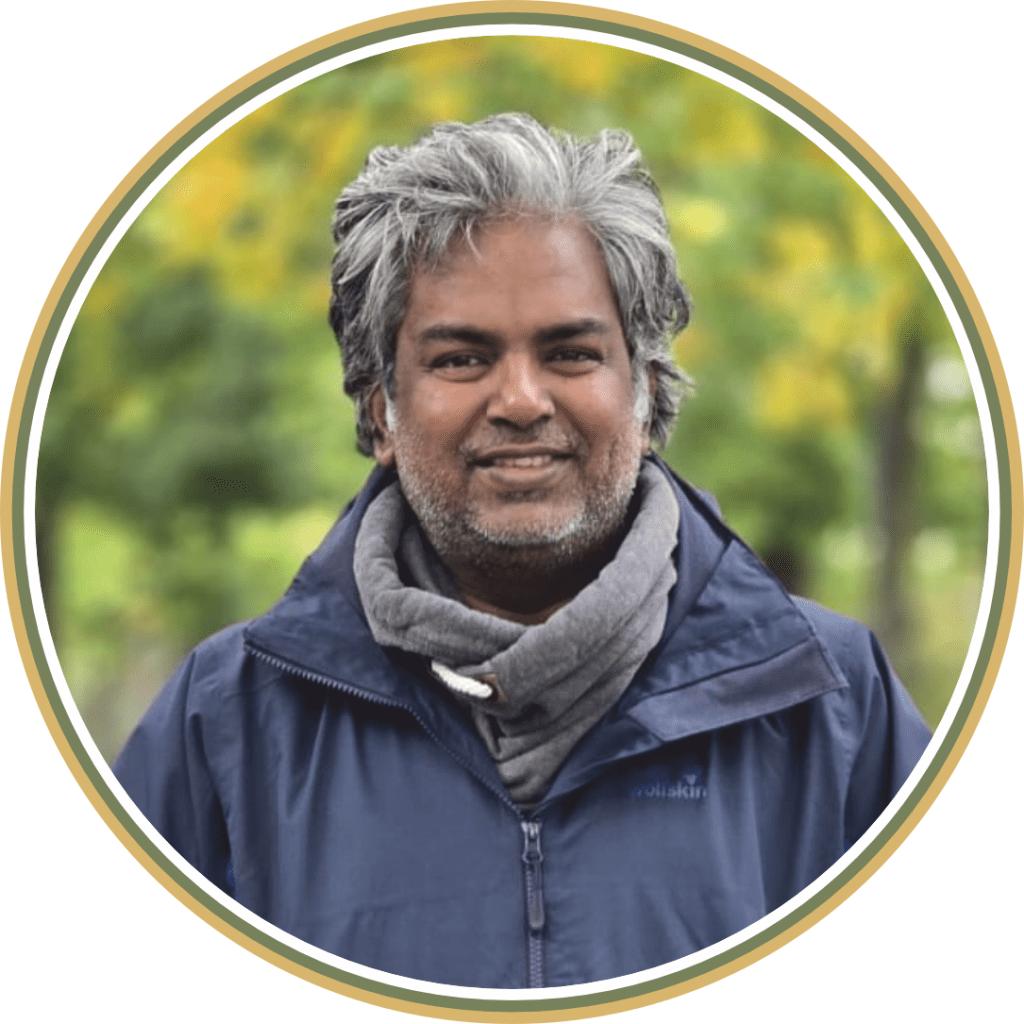
Mofizur Rahman
Potsdam Institute for Climate Impact Research (PIK)
Anthropocene Sediment Network Team Member
More about Mofizur
Mohammed Mofizur Rahman was born in the lower Bengal Delta, a landscape where sediment dances with water to shape environments in which human potential can flourish and resilient livelihoods can be built. Over time, he has studied Ecology, Environmental Science, and Sustainable Development to become a delta researcher. His education has enabled him to bridge Western and South Asian knowledge traditions. For the past five years, he has been based in Germany, working at several research institutes while maintaining a focus on Asian mega-deltas, where his expertise is most needed.
Mofizur holds a Joint European M.Sc. in Marine Environmental Science (European Union scholarship) and an M.Sc. in Global Change Ecology from the University of Bayreuth, Germany. He also trained in sustainable development at the Indian Institute of Technology, Madras, under the Indo-Swiss Cooperation Fellowship. He was an Alexander von Humboldt International Climate Protection Fellow, a Research Associate at the Institute for Resources Management in the Tropics and Subtropics, and an alumnus of the Beahrs Environmental Leadership Program (UC Berkeley, USA) and the Asia Pacific Environmental Leadership Program (Tongji University, China).
Most recently, he worked as a scientist at the Potsdam Institute for Climate Impact Research (PIK), Germany, focusing on climate change impacts, adaptation, and resilience. His research spans climate change impact and adaptation, nature-based solutions, & river delta management with publications in Nature Communications, Environmental Research Letters, and WIREs Climate Change. Mofizur also teaches environmental social sciences in Bangladesh, India & Germany, integrating field research into transdisciplinary classrooms to train the next generation of climate leaders.
Penny Tristram
Arts University Bournemouth
Anthropocene Sediment Network Team Member
More about Penny
A postgraduate researcher at Arts University Bournemouth (AUB), formerly a lecturer at University of the Arts, London, and Falmouth University, Penny Tristram has created artworks in partnership with the Arts Council of Wales, The National Library of Wales, Disability Arts Cymru and Bristol Museum and Art Gallery. Her work has featured in the Guardian newspaper and she has exhibited at London’s Yinka Shonibare space. She volunteers with the Marine Conservation Society, and her sustained engagement with coastal environments informs a research focus on the origins, and lifespan of beach plastic.
Penny’s PhD research examines the novel forms created when waste plastic, human influence, and natural forces combine. Working at East Cliff Beach at Lyme Regis, which is both a famous fossil beach and historic landfill site, she integrates field sampling and FTIR analysis to investigate how plastics are fragmented, redistributed and stratified within coastal systems. Her work considers plastics as technofossils: shaped by both human and non-human forces of burning and weathering, and contributing to Anthropocene sediment.
Working at a science department in an art school, Penny takes a keen interest in how creative methodologies can complement scientific approaches to visualise and communicate processes and findings.
 The Anthropocene Sediment Network